Why Plywood?
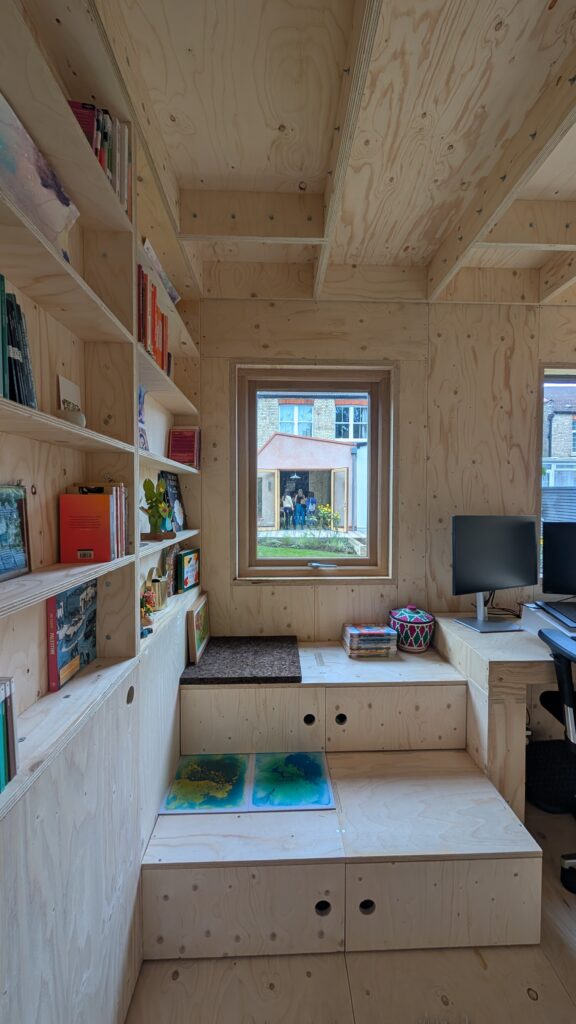
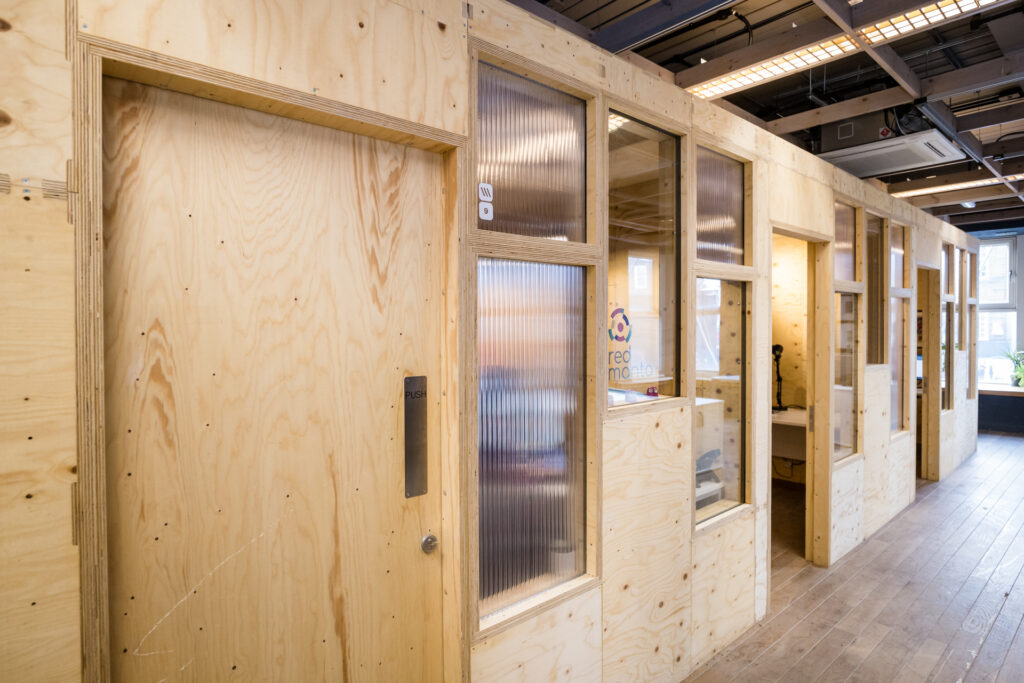
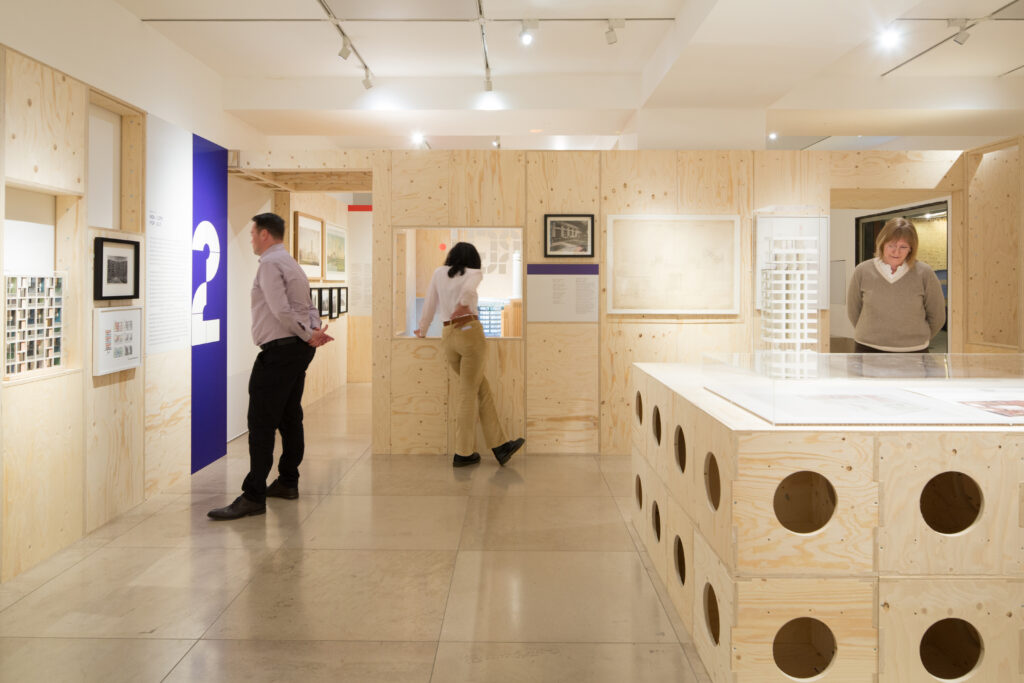
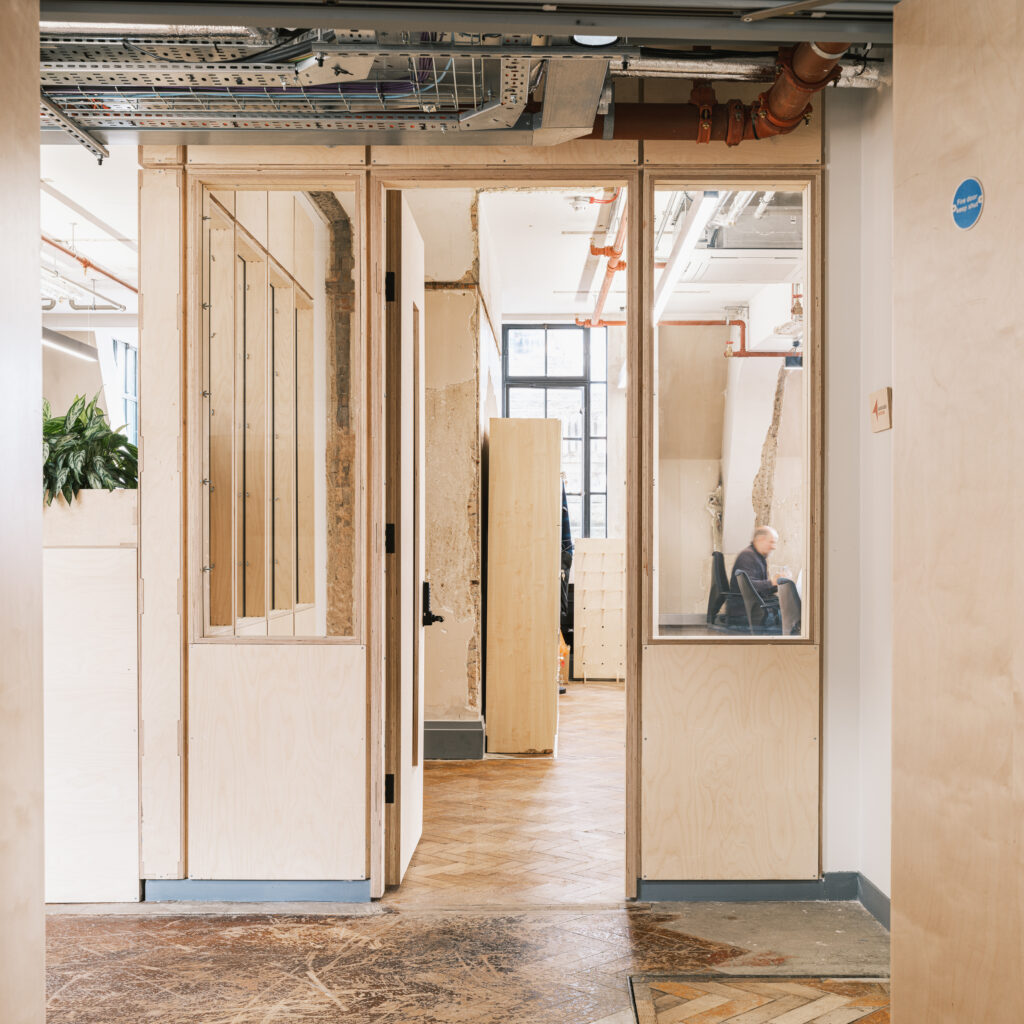
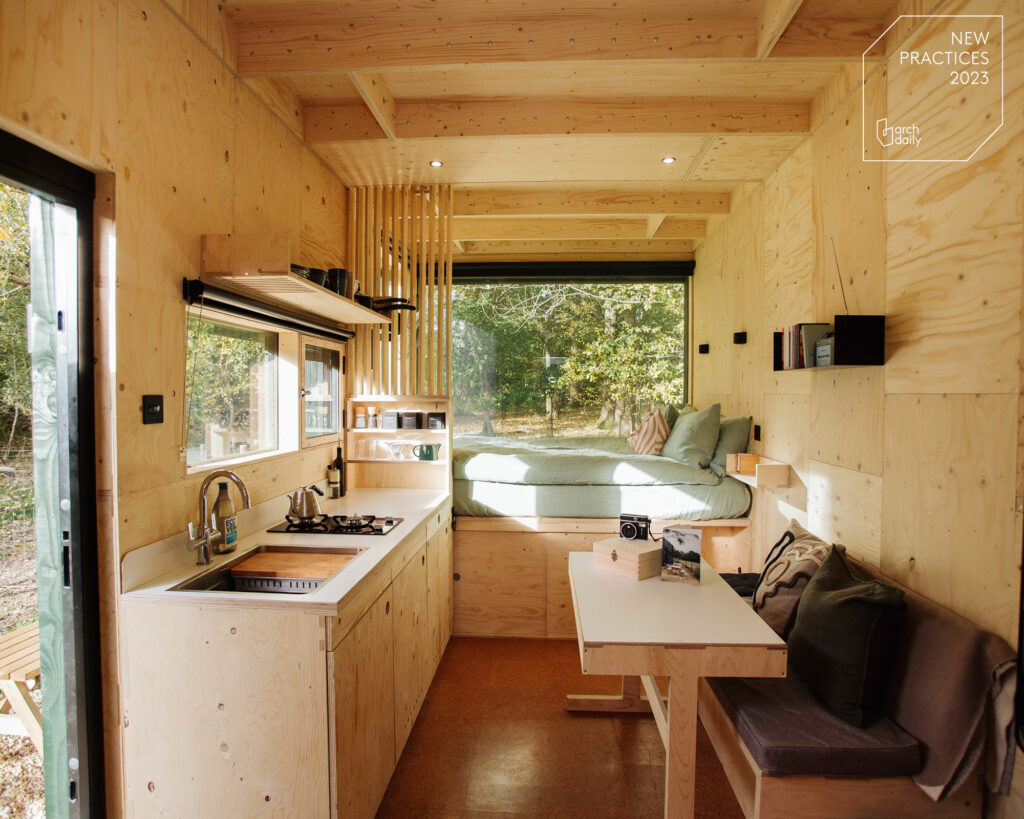
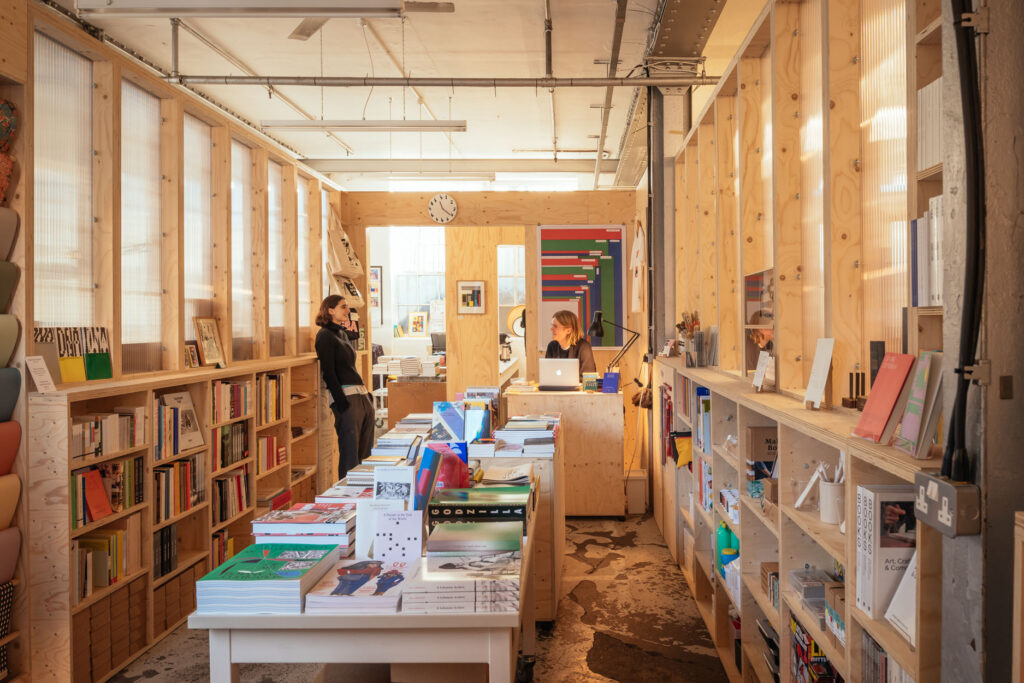
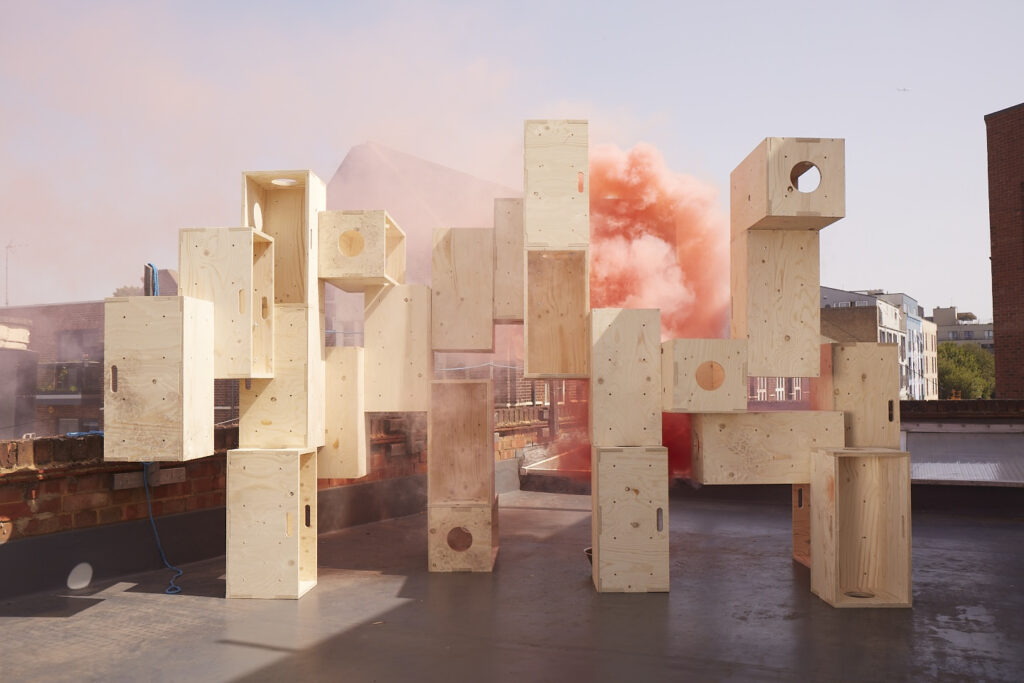
You may have noticed that we use lots of plywood in our projects and products. There is a good reason for this.
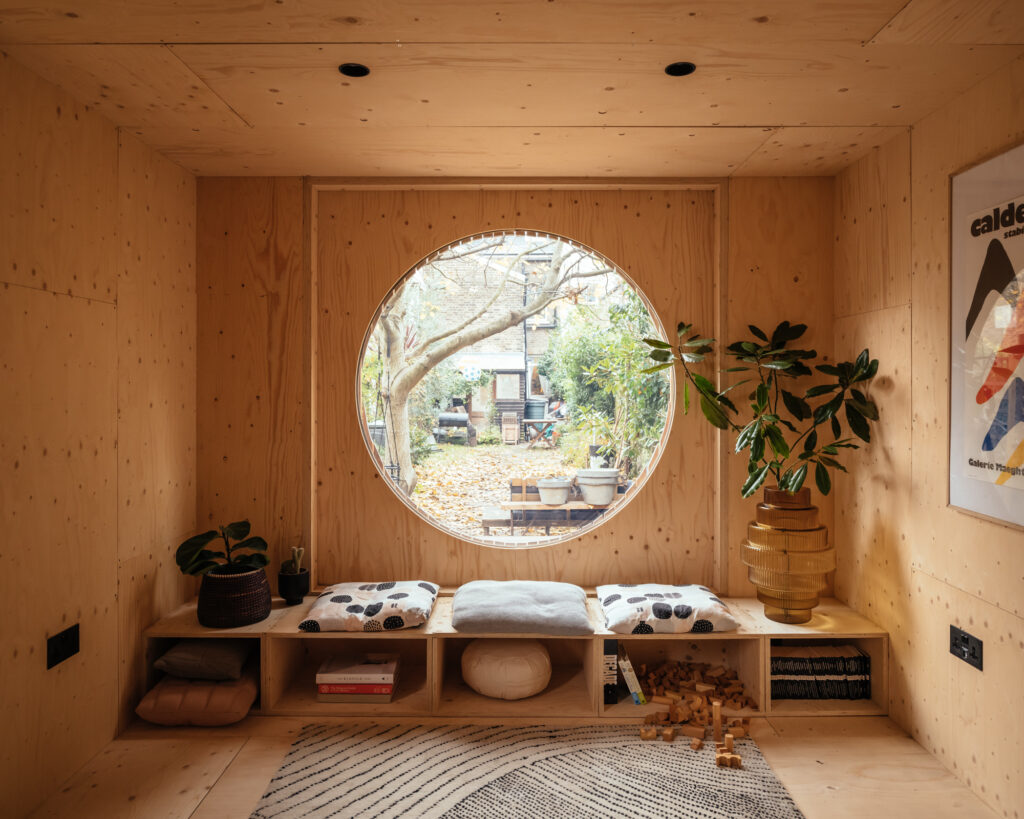
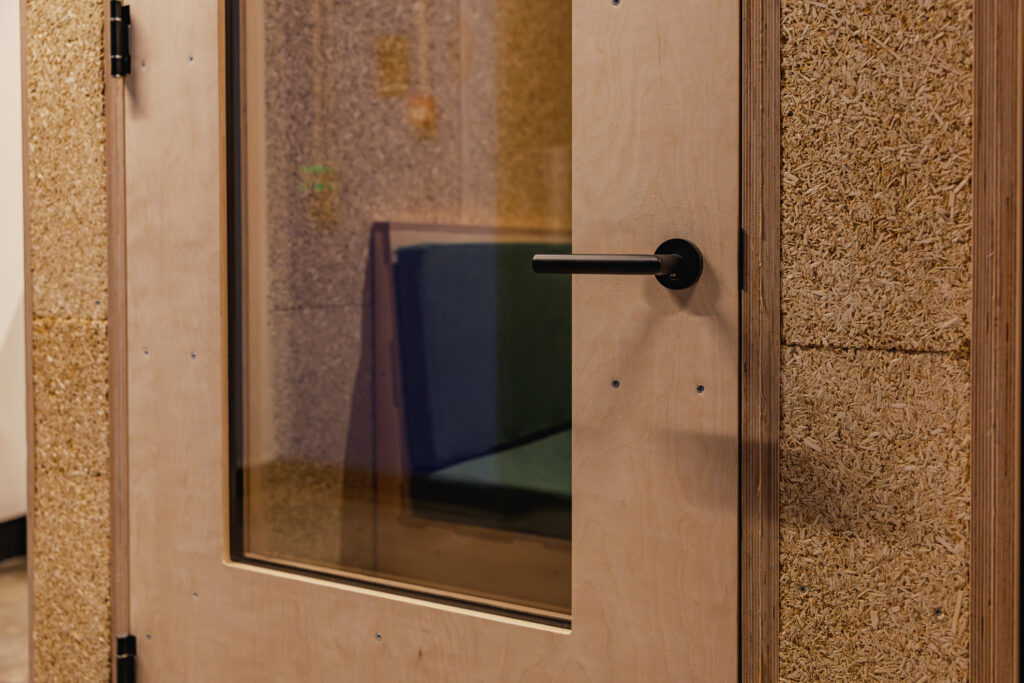
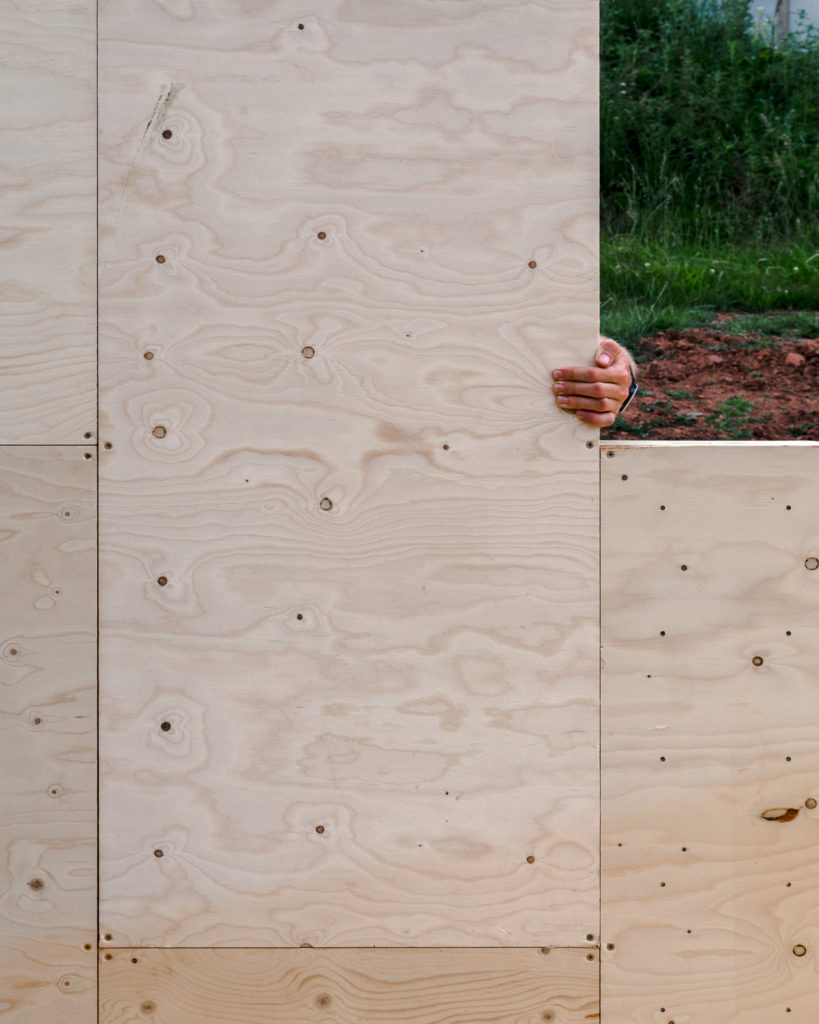
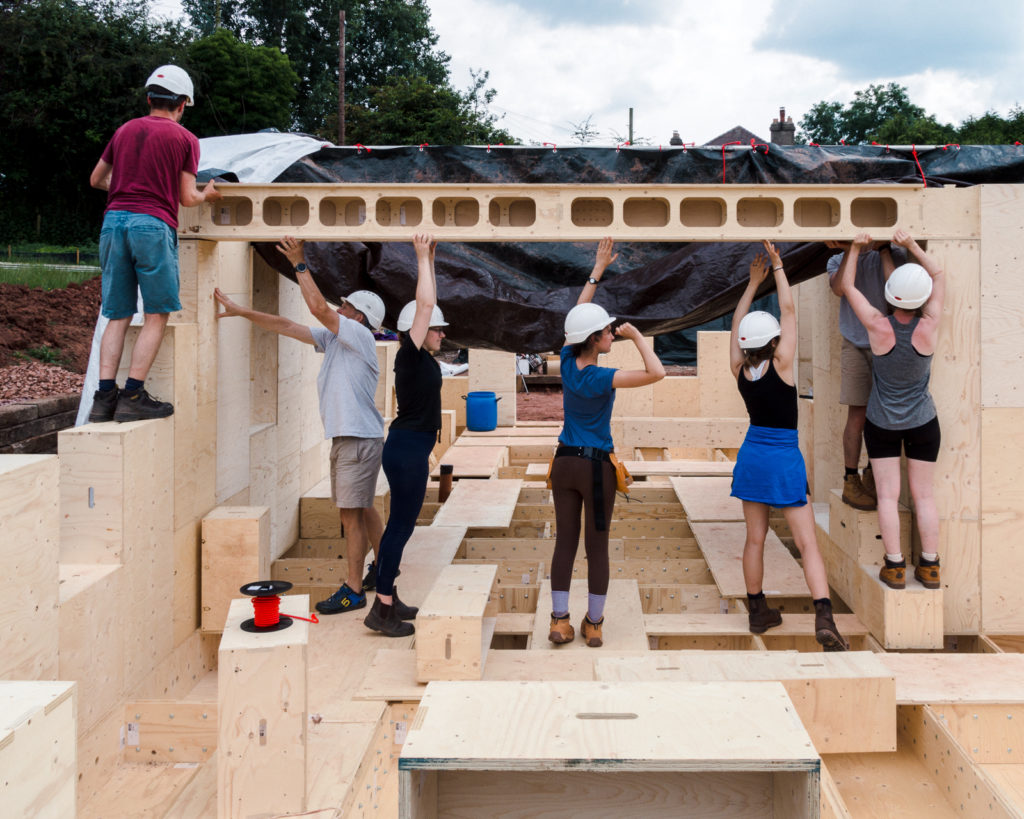
Plywood is used for building because of its strength, durability, and cost-effectiveness. Its cross-laminated structure of thin wood veneers provides superior strength and stability, resisting warping, shrinkage, and cracking better than solid wood. This makes it a versatile material suitable for a wide range of construction applications, from structural elements like walls and roofs to interior finishes and furniture.
Key benefits of using plywood
- Strength and stability: Plywood’s layered design with alternating grain directions gives it a high strength-to-weight ratio and makes it resistant to twisting, warping, and shrinking.
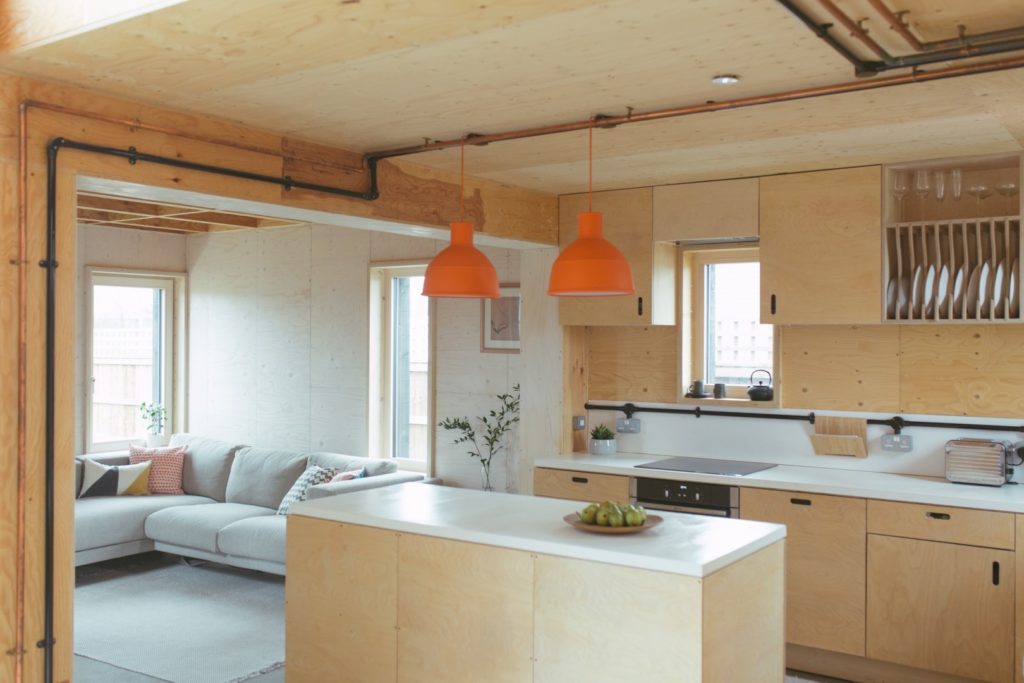
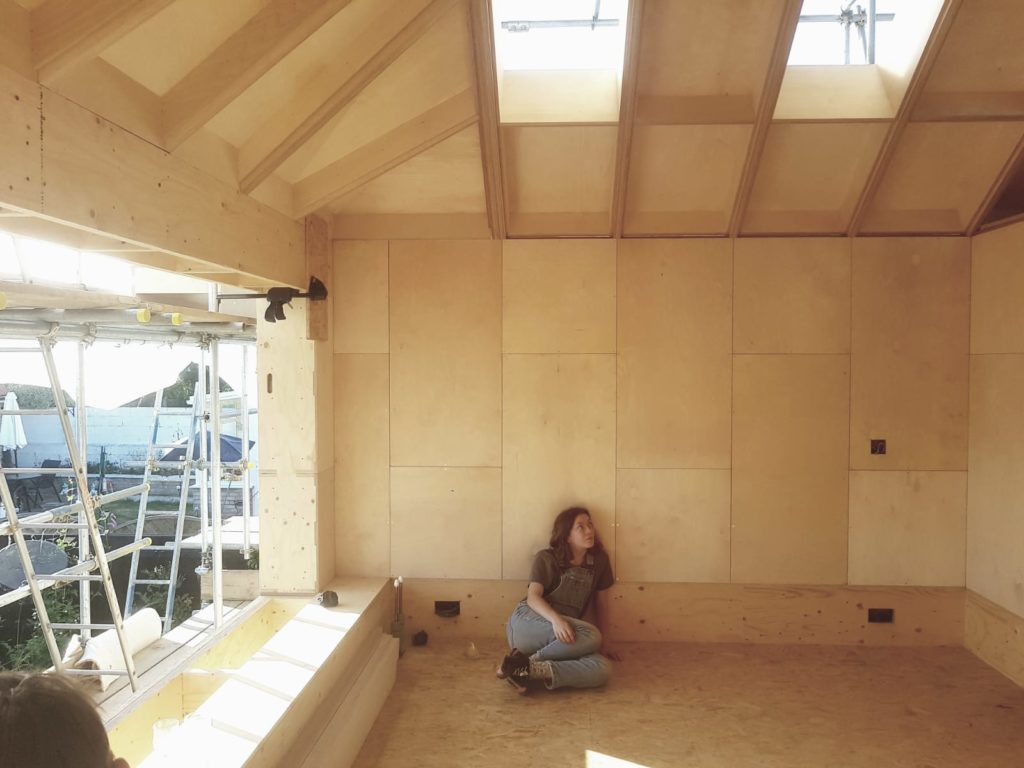
- Versatility: It can be used for both structural purposes, such as framing walls, floors, and roofs, and for more aesthetic applications like interior paneling and furniture.
- Durability: Plywood is resistant to moisture, rot, and insects, and some types, like marine plywood, are specifically made for wet conditions. It also has good fire resistance ratings.
- Cost-effectiveness: Compared to solid timber, plywood is often a more affordable option for many building projects.
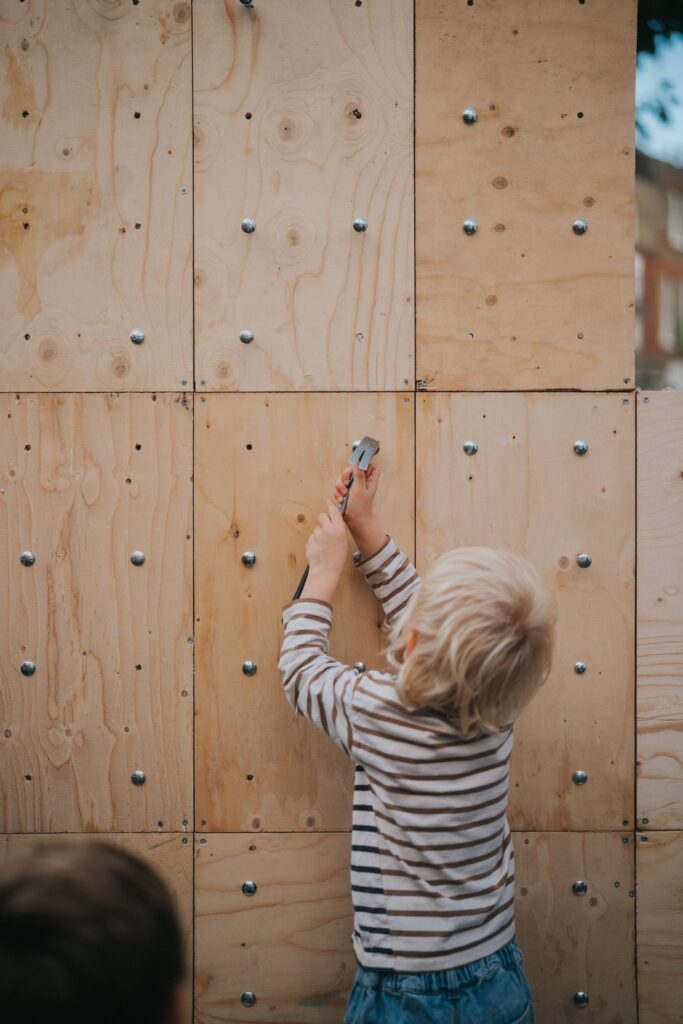
- Ease of use: It is relatively easy to cut, shape, and work with, and it comes in a variety of thicknesses and grades to suit different needs.
So there you have it. We also use modern machine technology to cut our plywood. This is in the form of a CNC (Computer numerical controlled) machine.
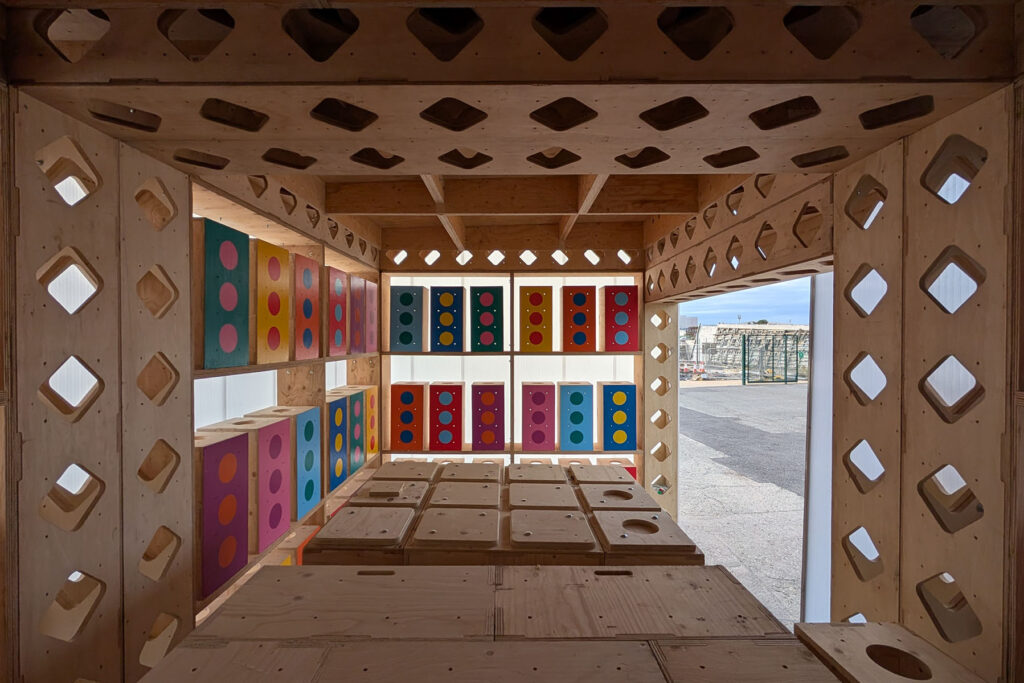
A CNC machine is used to achieve high precision, efficiency, and accuracy in cutting and shaping plywood for projects ranging from prototyping to large-scale production. Using a CNC machine for plywood is beneficial because the material is strong, stable, and cost-effective, while the machine’s automated process increases speed, minimises material waste, and allows for the creation of complex designs and repeatable parts.
Benefits of using a CNC machine
- High precision and accuracy: CNC machines transform digital designs into physical parts with a high degree of accuracy, which is essential for complex joints and detailed designs.
- Increased efficiency: Automated and continuous operation allows for faster production times and the ability to work on projects that would be difficult or impossible with traditional hand tools.
- Repeatable results: Once a digital file is created, a CNC machine can produce identical parts multiple times, which is ideal for mass production or when many identical components are needed.
- Reduced waste: CNC machines can optimize material usage and cut pieces with minimal scrap, helping to reduce waste.
- Complex designs: CNC machines can create intricate shapes, patterns, and parts with high levels of detail, such as perforated panels for decorative or functional purposes.
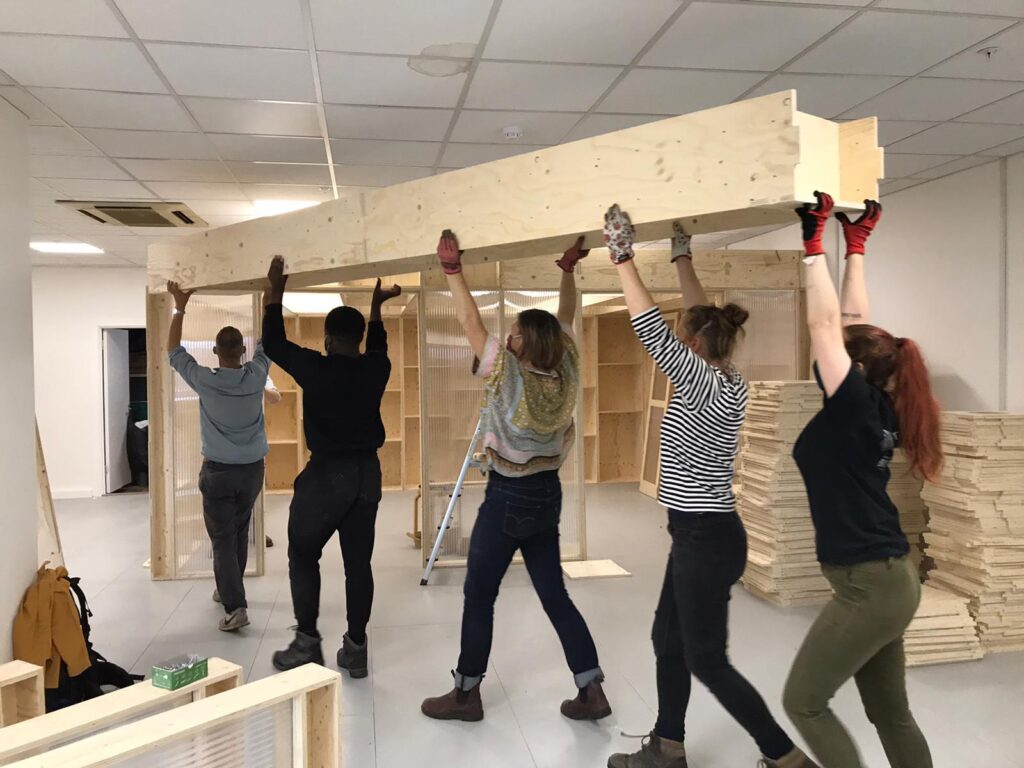
- Plywood’s suitability: Plywood is an ideal material for CNC cutting because it is strong, stable, and can be cut to high precision without significant difficulties or surface damage. Its standardisation also means a design can be reliably cut anywhere using a single digital file. This means the U-Build system can be produced anywhere in the world with a CNC machine.
The marrying of these two elements means U-Build, in its purest form, can be optimised as a simple solution to many construction problems.
To see how plywood is made, click here